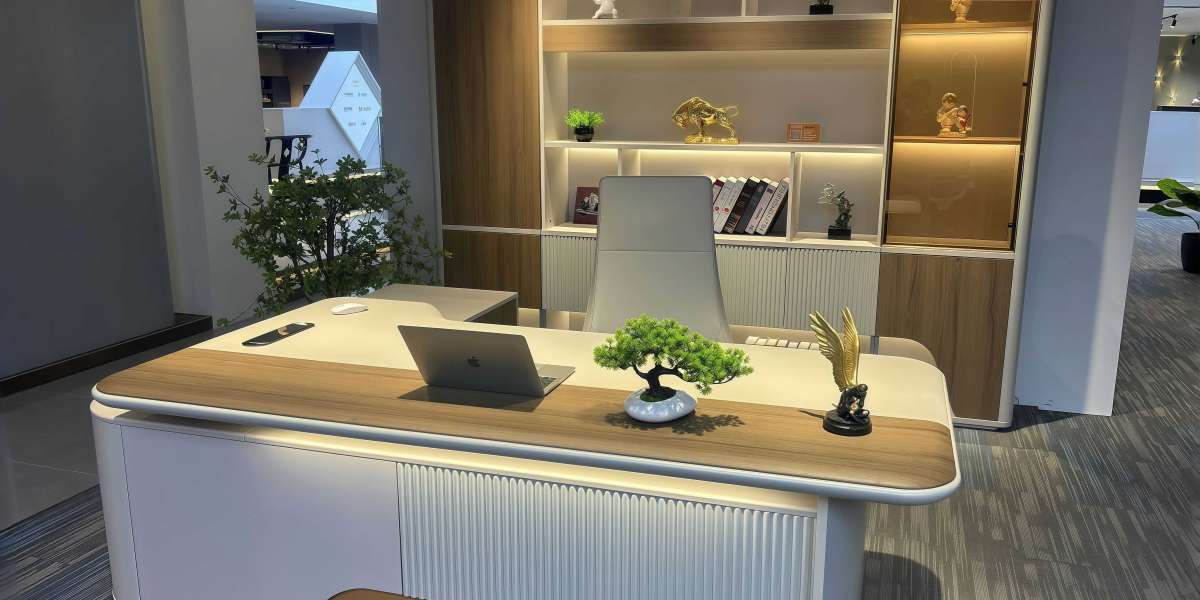

Office furniture is one of the most important components in building a productive and organized workplace because it directly influences how employees interact with their environment and complete daily tasks. A well-planned layout ensures that every workstation, meeting area, and storage unit works together to support smooth workflow and reduce unnecessary movement. When furniture is arranged thoughtfully, it improves communication between teams while also maintaining individual focus zones that are essential for task completion.
Modern companies prioritize structured layouts where open areas are balanced with private work sections. This allows employees to collaborate easily when needed while still having quiet spaces for concentration. Desk placement plays a key role in this system, as it determines how efficiently people can access tools, documents, and colleagues. Clear pathways between furniture pieces help reduce congestion and make the office safer and more comfortable to navigate.
Another important factor is flexibility in layout design. Many businesses now prefer arrangements that can be adjusted as teams grow or project needs change. Lightweight desks, movable chairs, and modular partitions allow spaces to be reorganized without major disruptions. This adaptability ensures that the workspace remains functional even as business requirements evolve over time.
Office furniture Ergonomic Design Approaches for Better Comfort
Comfort in the workplace is essential for maintaining employee productivity, and ergonomic design is a core element of modern office furniture planning. Poor seating posture or improperly designed desks can lead to long-term physical strain, reducing efficiency and increasing discomfort during working hours. Ergonomic solutions are designed to support natural body posture and reduce pressure on the spine, neck, and shoulders.
Chairs with adjustable height, lumbar support, and flexible armrests are widely used because they allow users to customize seating positions according to their needs. Similarly, desks that maintain proper height alignment help ensure that arms and wrists remain in a relaxed position while working. These adjustments significantly reduce fatigue and improve overall comfort during long working sessions.
Standing desks are also becoming increasingly popular as they encourage movement and reduce the negative effects of prolonged sitting. Alternating between sitting and standing positions helps improve circulation and maintain energy levels throughout the day. Additional ergonomic accessories such as monitor stands, footrests, and wrist supports further enhance workplace comfort and reduce strain.
A well-designed ergonomic setup not only improves physical well-being but also contributes to better focus and productivity. Employees who work in comfortable environments are more likely to remain engaged and perform tasks efficiently without unnecessary distractions caused by discomfort.
Office furniture Material Selection and Durability Factors
Choosing the right materials for office furniture is essential for ensuring long-term durability, appearance, and performance. High-traffic office environments require furniture that can withstand daily use without losing structural integrity or visual appeal. The most commonly used materials include solid wood, metal, and engineered boards, each offering distinct advantages depending on workplace needs.
Wood provides a classic and professional appearance, making it suitable for executive offices and meeting rooms. It offers durability when properly maintained and adds a sense of stability to the workspace. Metal frames are known for their strength and are often used in workstations and storage units that require extra support. They are resistant to wear and provide long-lasting structural stability.
Engineered materials such as MDF and laminated boards offer cost-effective alternatives while still maintaining a polished and modern appearance. These materials are widely used in modular office setups where affordability and functionality are both important. Surface finishes also play a critical role, as scratch-resistant and moisture-resistant coatings help maintain the furniture’s appearance over time.
Durability is not only about material strength but also construction quality. Strong joints, reinforced edges, and stable frameworks ensure that furniture remains safe and reliable even under continuous use. Investing in well-constructed pieces reduces maintenance costs and improves long-term efficiency.
Office furniture Storage and Space Optimization Techniques
Efficient storage systems are essential in maintaining an organized and productive office environment. Office furniture designed for storage helps reduce clutter and ensures that all necessary items are easily accessible when needed. A clean workspace supports better focus and allows employees to complete tasks without unnecessary distractions.
Cabinets, drawers, and shelving units are commonly used to organize documents, office supplies, and equipment. Proper categorization ensures that every item has a designated place, reducing time spent searching for materials. This is especially important in offices that handle large volumes of paperwork or shared resources.
Space optimization is another key consideration in modern office design. Vertical storage units and wall-mounted shelves help maximize floor space while maintaining accessibility. Under-desk storage solutions are also widely used to keep essential items within reach without overcrowding the workspace.
Multi-functional furniture designs further enhance space efficiency. For example, desks with built-in storage compartments or seating units with hidden storage help reduce the need for additional furniture pieces. These solutions are especially useful in compact office environments where space must be used efficiently without compromising functionality.
Office furniture Purchasing Guide for Long-Term Value
Selecting office furniture requires careful evaluation of multiple factors to ensure long-term value and performance. Businesses must consider durability, functionality, comfort, and cost before making purchasing decisions. High-quality furniture not only improves workplace efficiency but also reduces replacement and maintenance expenses over time.
One of the most important considerations is material quality. Furniture made from strong and durable materials ensures long-term usability and better resistance to daily wear. It is also important to choose designs that are easy to maintain, especially in busy office environments where regular cleaning is required.
Functionality should also be a priority. Furniture that offers multiple uses, such as adjustable desks or modular seating arrangements, provides better flexibility for changing work needs. This adaptability ensures that the office remains suitable for future expansion or reorganization.
Budget planning should focus on long-term benefits rather than short-term savings. While lower-cost options may seem attractive initially, investing in durable and ergonomic furniture often results in reduced long-term costs. A balanced purchasing strategy ensures both financial efficiency and workplace satisfaction.
Office furniture Conclusion and Practical Implementation Tips
Proper selection and arrangement of office furniture play a crucial role in building an efficient, comfortable, and organized workspace. Every element, from layout design to material selection, contributes to overall workplace performance and employee satisfaction. A well-structured office environment encourages productivity, reduces stress, and supports smooth daily operations.
Businesses that focus on ergonomic comfort, durable materials, and smart storage solutions create workspaces that are both functional and long-lasting. Thoughtful planning ensures that the office remains adaptable to future needs while maintaining a professional appearance.
In practical implementation, it is important to regularly evaluate workspace needs and adjust furniture arrangements accordingly. Continuous improvement in layout and design helps maintain efficiency as the organization grows. Office furniture express supports these principles by helping businesses create structured, comfortable, and highly functional office environments that deliver consistent results.