
Why Rodents Are a Serious Problem
Mice and rats are more than just annoying pests. They can spread diseases, damage property, and contaminate food supplies. According to the U.S. Centers for Disease Control and Prevention (CDC), rodents can transmit diseases through their urine, droppings, and saliva, including hantavirus and salmonella. Health risks caused by mice and rats
Rodents leave droppings in kitchens, pantries, and storage areas. These droppings can contaminate food and surfaces, increasing the risk of illness. Allergies and asthma can also worsen due to rodent dander and droppings. Property damage and contamination
Mice and rats constantly chew to keep their teeth trimmed. This means they can damage electrical wires, insulation, furniture, and even structural wood. Chewed wires are a major fire hazard in homes and businesses. Food contamination is another costly problem, especially in kitchens and food storage areas.
Understanding Ultrasonic Rodent Repellers
How ultrasonic repellers work
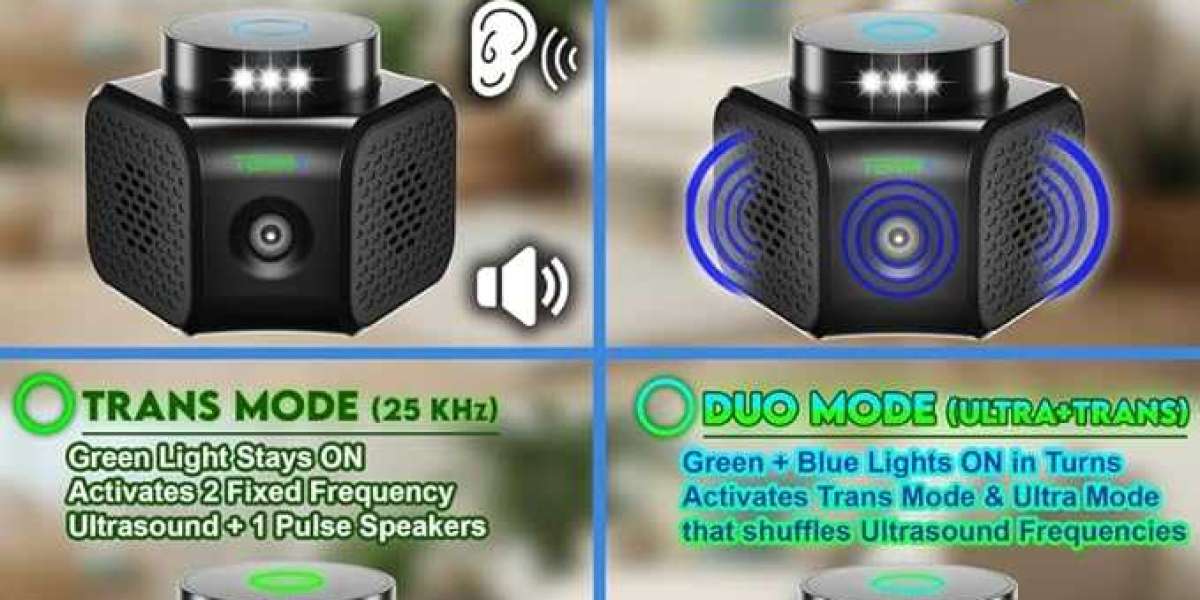
An ultrasonic rodent repeller emits high-frequency sound waves that are designed to irritate rodents and drive them away. These sounds are usually above the hearing range of humans but can be heard by mice and rats. The idea is simple: create an uncomfortable environment so rodents leave the area.

Do ultrasonic rodent repellers really work?
This is where things get interesting. Scientific studies have shown mixed results. Some research suggests ultrasonic devices may temporarily disturb rodents, but they often adapt to the sound over time. The Federal Trade Commission (FTC) has previously challenged misleading claims by some ultrasonic repeller manufacturers, stating that there is limited scientific evidence proving they permanently eliminate rodents. Pros and cons of ultrasonic repellers
Pros
Easy to use: just plug into a wall outlet.
Chemical-free and odor-free.
Safe for most households when used correctly.
Can help deter rodents in small enclosed spaces.
Cons
Effectiveness varies widely.
Sound waves do not travel through walls or furniture.
Rodents may become accustomed to the sound.
Not a standalone solution for infestations.
Think of ultrasonic repellers as a supporting tool, not a magic fix. They work best when combined with trapping and prevention methods.
Sonix Repeller Plug-In for Mice and Rats
What is a Sonix repeller plug-in?
A Sonix repeller plug-in mice and rat device is a type of ultrasonic pest repeller that plugs directly into an electrical outlet. These devices are marketed as a convenient way to repel rodents from homes, garages, offices, and storage areas.

Key features to look for
When choosing a Sonix or similar plug-in repeller, consider:
Coverage area – Make sure the device is rated for the size of your room.
Variable frequency – Devices that change frequencies may reduce the chance of rodents adapting.
Night light feature – Some models include an LED night light for convenience.
Low power consumption – Most plug-in repellers use very little electricity.
Best places to install plug-in repellers
For the best results, place repellers:
In open areas, not behind furniture or curtains.
Near known rodent activity, such as kitchens, garages, and basements.
At least one device per room, since ultrasonic waves do not pass through walls.
Remember, a repeller in one room will not protect the entire house. Multiple units are usually needed for larger homes.
How to Trap a Mouse Effectively
If you already have mice in your home, trapping is one of the most effective ways to remove them quickly.

Types of mouse traps
1. Snap traps
These are the classic wooden or plastic traps that kill mice instantly. They are inexpensive and highly effective when placed correctly.
2. Live traps
Live traps catch mice without killing them, allowing you to release them outdoors. However, mice released nearby may return, so they should be released far from your home.
3. Glue traps
Glue traps capture mice on a sticky surface. They are easy to use but are considered less humane and may not be ideal for all households.
Step-by-step guide to trapping a mouse
Identify mouse activity
Look for droppings, gnaw marks, and greasy rub marks along walls. Mice usually travel along edges rather than open spaces.
Choose the right bait
Peanut butter is one of the best mouse baits because it has a strong smell and sticks to the trap. Chocolate, nuts, and seeds also work well.
Place traps strategically
Set traps along walls, behind appliances, inside cabinets, and near entry points. Place the baited end facing the wall where mice travel.
Use multiple traps
Don’t rely on a single trap. Use several traps in areas with high activity to increase your chances of success.
Check traps daily
Remove captured mice promptly and reset traps as needed. Continue trapping until you no longer see signs of rodent activity.
Common mistakes to avoid
Placing traps in open areas where mice rarely travel.
Using too much bait, making it easy for mice to steal without triggering the trap.
Handling traps with bare hands, which can leave human scent and make mice cautious.
Wearing gloves and placing traps carefully can significantly improve your success rate.
Moth Balls for Rats: Myth vs. Reality
Why people use moth balls against rodents
Many people believe moth balls for rats can repel rodents because of their strong smell. Moth balls contain chemicals like naphthalene or paradichlorobenzene, which produce a pungent odor.

Are moth balls effective for rats and mice?
The short answer: not reliably. While the smell may temporarily irritate rodents, moth balls are not an effective long-term solution for rat or mouse control. Rodents often ignore the odor, especially when food and shelter are available. The Environmental Protection Agency (EPA) registers moth balls as pesticides for moth control, not for rodent extermination. Using them for rats or mice is considered off-label use and may not provide the results you expect.
Safety concerns with moth balls
Moth balls can pose serious health risks to humans and pets:
Toxic if swallowed.
Harmful fumes in enclosed spaces.
Can cause headaches, nausea, and respiratory irritation.
Dangerous for children and pets who may mistake them for candy or toys.
Because of these risks, pest control experts generally do not recommend moth balls as a rodent control method.
The Best Rodent Control Strategy (Termx Approach)
At Termx, the most effective approach is integrated rodent management — combining prevention, monitoring, and targeted control methods.
Combine prevention, repellers, and traps
No single method works perfectly on its own. The best strategy is to:
Prevent entry by sealing gaps and holes.
Reduce attraction by keeping food sealed and cleaning crumbs.
Use traps to remove existing rodents quickly.
Add ultrasonic repellers as a supplementary deterrent.
Seal entry points
Mice can squeeze through openings as small as a dime. Inspect your home for:
Gaps around pipes and cables.
Cracks in walls or foundations.
Openings around doors and windows.
Vents and utility entry points.
Use steel wool, caulk, or metal mesh to seal these gaps effectively.
Maintain cleanliness and food storage
Rodents stay where food is available. Store food in airtight containers, clean spills immediately, and avoid leaving pet food out overnight. Regular cleaning reduces the chances of attracting mice and rats.
When to call a professional pest control service
If you notice:
Persistent rodent activity despite traps.
Large numbers of droppings.
Rodents in walls or ceilings.
Damage to wiring or insulation.
Recurring infestations.
It’s time to contact a professional pest control service like Termx. Professionals can identify entry points, assess the infestation level, and use safe, targeted treatments that are more effective than DIY methods alone.
Comparing Rodent Control Methods
Method | Effectiveness | Speed | Safety | Best Use |
|---|---|---|---|---|
Ultrasonic repeller | Moderate (supportive) | Slow | High | Prevention/support |
Sonix plug-in repeller | Moderate (supportive) | Slow | High | Small enclosed spaces |
Snap traps | High | Fast | Moderate | Active infestations |
Live traps | Moderate | Fast | High | Humane removal |
Glue traps | Moderate | Fast | Low | Monitoring/capture |
Moth balls | Low | Slow | Low | Not recommended |
Final Verdict: What Works Best?
If you’re dealing with mice or rats, the most effective approach is:
Seal entry points to stop rodents from getting in.
Use snap traps or live traps to remove existing rodents quickly.
Add ultrasonic or Sonix plug-in repellers as a secondary deterrent, especially in garages, basements, and storage rooms.
Avoid relying on moth balls for rodent control, as they are ineffective and can be hazardous.
Call a professional like Termx for persistent or severe infestations.
Rodent control is a bit like fixing a leaking roof: placing a bucket under the drip helps temporarily, but sealing the leak is what solves the problem. Traps remove the rodents you see, while prevention stops the next wave from arriving.
FAQs
1. Do ultrasonic rodent repellers work immediately?
No. Ultrasonic repellers may take several days or weeks to influence rodent behavior, and results vary. They work best as part of a broader rodent control plan.
2. Where should I place a Sonix repeller plug-in?
Place it in open areas near rodent activity, such as kitchens, garages, basements, and storage rooms. Avoid placing it behind furniture or inside cabinets.
3. What is the best bait for a mouse trap?
Peanut butter is one of the most effective baits because of its strong smell and sticky texture. Chocolate and nuts also work well.
4. Can moth balls keep rats away permanently?
No. Moth balls are not a reliable or recommended method for rat control. Rats often ignore the odor, and moth balls can pose health risks to humans and pets.
5. What is the fastest way to get rid of mice?
The fastest method is to use multiple snap traps placed along walls and near mouse activity, while simultaneously sealing entry points and removing food sources.
Conclusion
Dealing with rodents can feel overwhelming, how to trap a mouse but the right strategy makes all the difference. Ultrasonic rodent repellers and Sonix plug-in devices can help deter mice and rats, but they are most effective when combined with proven methods like trapping and prevention. Learning how to trap a mouse properly can remove active pests quickly, while sealing entry points prevents future infestations. And despite popular belief, moth balls for rats are not a safe or effective solution.
For long-term peace of mind, follow the integrated approach recommended by Termx: prevent, trap, deter, and call professionals when needed. A rodent-free home is absolutely achievable with the right combination of tools and habits.