Chronic sinusitis is a condition that affects millions of people worldwide. It is characterized by inflammation of the sinuses, which can lead to symptoms such as nasal congestion, facial pain, headache, and a reduced sense of smell. Chronic sinusitis can be a frustrating and debilitating condition, but with the right treatment, it can be managed effectively. There benefits of nasal rinsing for sinusitis are several treatment options available for chronic sinusitis, and the best approach will depend on the specific symptoms and underlying causes of the condition. In many cases, a combination of treatments may be necessary to achieve optimal results. One common treatment for chronic sinusitis is medication. Antibiotics may be prescribed to treat bacterial infections that can contribute to sinusitis symptoms. In addition, nasal corticosteroids may be used to reduce inflammation in the sinuses and improve symptoms such as nasal congestion and postnasal drip. In some cases, oral corticosteroids may be prescribed to reduce inflammation throughout the body and provide relief from severe symptoms. However, these medications are usually only used for short periods of time due to the risk of side effects. In addition to medication, there are several non-pharmacological treatments that may be helpful for chronic sinusitis. Nasal saline irrigation, also known as nasal douching, can help to clear out mucus and reduce inflammation in the sinuses. This can be done using a neti pot or a saline nasal spray. Another non-pharmacological treatment option is nasal corticosteroid sprays, which can help to reduce inflammation in the sinuses and improve symptoms such as nasal congestion and postnasal drip. These sprays are usually used on a daily basis for optimal results. For some patients with chronic sinusitis, surgery may be necessary to improve symptoms and quality of life. Endoscopic sinus surgery is a minimally invasive procedure that can be used to remove blockages in the sinuses and improve drainage. This can help to reduce symptoms such as nasal congestion, facial pain, and headaches. In some cases, balloon sinuplasty may be used to open up blocked sinuses and improve airflow. This procedure involves inserting a small balloon into the sinuses and inflating it to widen the openings. This can help to improve drainage and reduce symptoms of chronic sinusitis. In addition to medical and surgical treatments, there are several lifestyle changes that can help to manage chronic sinusitis. Avoiding allergens and irritants that can trigger symptoms, such as dust, pollen, and pet dander, can help to reduce inflammation in the sinuses. Using a humidifier to keep the air in your home moist can also help to improve symptoms. Maintaining good nasal hygiene, such as washing your hands regularly and avoiding touching your face, can help to prevent infections that can worsen chronic sinusitis symptoms. In addition, staying hydrated and getting plenty of rest can help to support your immune system and improve your overall health. In conclusion, chronic sinusitis is a common condition that can be managed effectively with the right treatment approach. By working with your healthcare provider to develop a personalized treatment plan that addresses your specific symptoms and underlying causes, you can improve your quality of life and reduce the impact of chronic sinusitis on your daily activities. With a combination of medication, non-pharmacological treatments, surgery, and lifestyle changes, you can take control of your chronic sinusitis and enjoy a better quality of life.



Messages populaires
-
 토토사이트 보안강화: 안전한 베팅 환경 구축을 위한 필수 요소
Par moisesmedders
토토사이트 보안강화: 안전한 베팅 환경 구축을 위한 필수 요소
Par moisesmedders -
 Купить диплом с реестром в россии.
Par lillycounts918
Купить диплом с реестром в россии.
Par lillycounts918 -
 Куплю диплом с проводкой в вузе.
Par kerigaj1423659
Куплю диплом с проводкой в вузе.
Par kerigaj1423659 -
 Где купить диплом с занесением в реестр.
Par ebonyhorgan227
Где купить диплом с занесением в реестр.
Par ebonyhorgan227 -
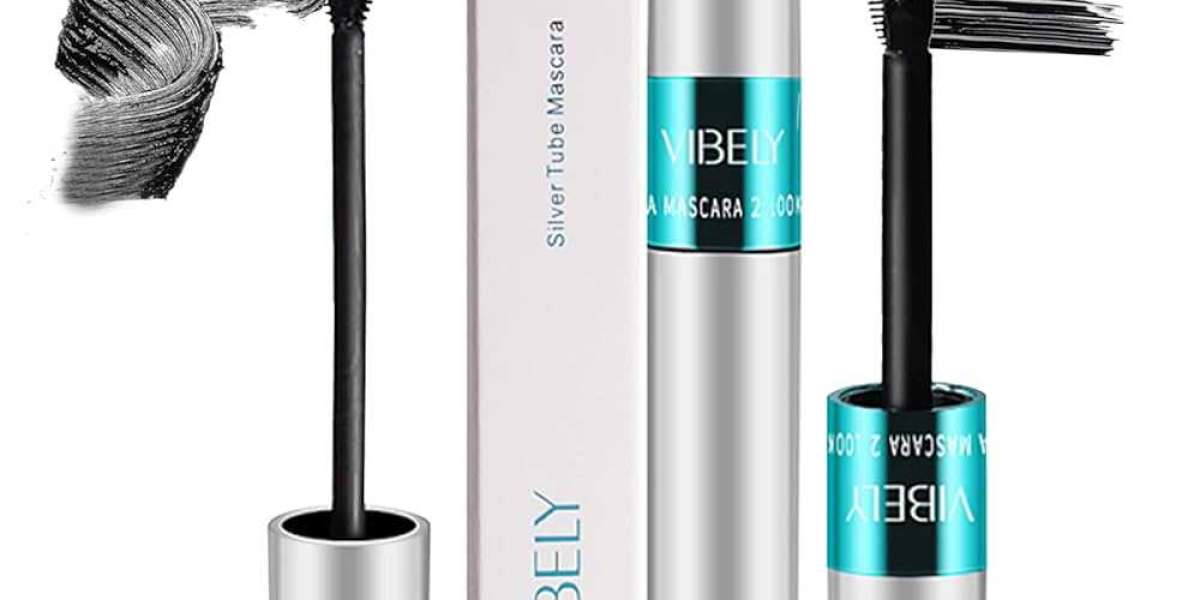 Vibely Mascara Takes Pakistan by Tornado: Cost Effective Prestige Or Overhyped Buzz?
Par erlindagodinez
Vibely Mascara Takes Pakistan by Tornado: Cost Effective Prestige Or Overhyped Buzz?
Par erlindagodinez