
Content
After hitting Enter, you might not see any visible feedback. This lack of response simply means that the command was successful. Occasionally, users may flush their DNS cache only to realize that issues persist, such as slow-loading sites or connection errors. These may be attributed to more than just outdated records; they could include other underlying network issues. Each of these commands plays a vital role—essentially refreshing your system’s memory regarding domain names.
Step II: Check Network Settings
You can experience sync issues in Outlook due to poor or no network connectivity. So, first check if your internet FixTechGuide login issue guide connection is stable and working properly. If the connection is slow or inconsistent, you can restart the router or contact your internet provider/IT admin for help. Should problems continue after flushing your cache, examining additional factors like connectivity settings or even external influences such as your internet service provider might be worthwhile. Regular maintenance improves performance and helps ensure a seamless browsing experience.
- So, first check if your internet connection is stable and working properly.
- He can connect fine at home thus far, this issue seems present only when connected to our internal network.
- Flushing that cache wipes the slate clean, allowing your computer’s resolver to fetch the latest and most accurate IP addresses for websites.
- For instance, you might find that a website fails to load despite your internet being otherwise active.
- Should problems continue after flushing your cache, examining additional factors like connectivity settings or even external influences such as your internet service provider might be worthwhile.
Method 2: Check if the Work Offline Mode is Disabled
For Mac users, you can use Terminal and run the command `sudo killall -HUP mDNSResponder` for macOS Mojave and later versions; this process clears outdated entries and can help resolve connectivity issues. During the scanning process, security applications, like antivirus software or Windows Firewall might lock the Outlook data file, leading to the sync issues. To check if the security application is causing the issue, you can temporarily disable the antivirus program or Firewall and then update the folders. If the issue is resolved, it indicates that your antivirus software or Firewall is interfering repair corrupted OST in Outlook with Outlook. To resolve this, you can add Outlook and its related processes as exception in your security software or consider switching to a security application that is compatible with Outlook.

Having established how flushing the DNS cache aids in troubleshooting network woes, let’s shift our focus to what to consider if challenges linger afterward. With methods for Mac covered, let’s now explore how other systems manage their DNS cache flushing clear Outlook credentials manager process effectively. In the Command Prompt window that has popped up, type ipconfig /flushdns and press Enter. Take a breath and watch as your screen returns a message that confirms all those stale entries in your DNS Resolver Cache have been successfully flushed away.
Solutions to Fix the Sync Issues in Outlook
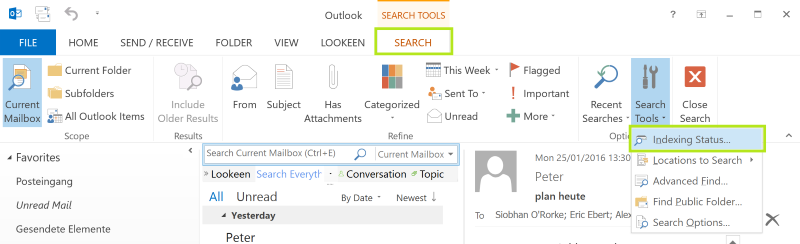
The quickest method is to press Win + R, which opens up the Run dialog box like unlocking a door to an entire world of settings. What you’re doing here is providing your system with commands that can reshape its behavior. Now, manually sync your mailbox using theUpdate Folderbutton under theSend/Receivetab.
The journey of an Email: From sender’s domain to recipient’s inbox!
For instance, you might find that a website fails to load despite your internet being otherwise active. Flushing your DNS cache plays a crucial role in resolving connectivity issues that can disrupt your online experience. When you navigate to a website, your system refers to the DNS cache to find the related IP address. However, if you’ve accessed that webpage recently, it might hold onto outdated or corrupted information. This means that even if the website has changed its IP address, your computer might still be trying to connect using incorrect data. To flush the DNS cache, you can open the Command Prompt on Windows and enter the command `ipconfig /flushdns`.
It’s happened twice today, where I get a PC which is not connecting to Exchange server. I have no issues sending email from same account from my phone, laptop, or web mail. Moving forward from a simple reboot, we now focus on ensuring that your network settings are configured correctly. If prompted, enter your password—this is required for administrative privileges. Remember that while you type your password, no characters will appear in the Terminal for security reasons; just hit Enter once you’ve typed it.
Open forum for Exchange Administrators / Engineers / Architects and everyone to get along and ask questions. Upgrade to Microsoft Edge to take advantage of the latest features, security updates, and technical support.
Now, let’s look at specific challenges that this simple action can resolve effectively. Resolving these concerns shouldn’t take long either; averages suggest that fixing slow connections often takes around 15 minutes, while addressing website access issues typically wraps up in about 10 minutes. Sometimes trouble can originate from the router side of things rather than your individual device. Restarting your router can refresh its internal processes much like restarting a computer would do for your operating system. One of the main benefits of flushing your DNS is the refreshing of these stored records.