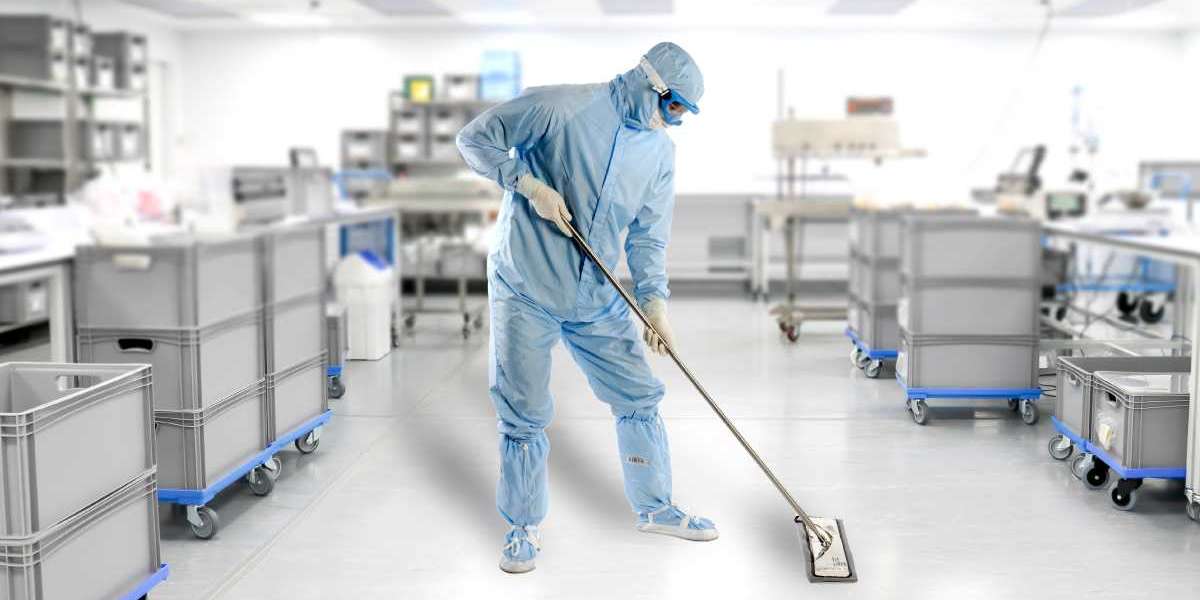

Cleanrooms are critical in industries where even microscopic particles can compromise product quality or safety. From pharmaceutical manufacturing and semiconductor production to biotech labs and aerospace facilities, maintaining a pristine cleanroom environment is non-negotiable. This is where specialised clean room cleaning services come into play.
What Is a Cleanroom?
A cleanroom is a controlled environment where pollutants like dust, airborne microbes, aerosol particles, and chemical vapours are strictly regulated. Cleanrooms are classified according to the number and size of particles permitted per volume of air (e.g., ISO 5 to ISO 9, or Class 100 to Class 100,000).
Industries that Rely on Cleanrooms:
Pharmaceuticals and life sciences
Microelectronics and semiconductor fabrication
Medical device manufacturing
Aerospace and optics
Research laboratories
Why Is Cleanroom Cleaning Important?
Even the most advanced filtration systems (like HEPA or ULPA filters) cannot eliminate all contaminants on their own. Manual cleaning by trained professionals ensures that:
Particle levels remain within the required classification
Cross-contamination risks are minimised
Equipment and product integrity is preserved
Compliance with industry standards (e.g., GMP, ISO) is maintained
Cleanroom Cleaning: What’s Involved?
1. Trained Personnel
Cleanroom cleaners undergo specific training to understand:
Proper gowning procedures
Zoning and movement protocols
Cross-contamination risks
Equipment handling techniques
2. Specialised Tools and Supplies
Only approved tools and chemicals are used, including:
Non-shedding wipes and mops
Cleanroom-grade disinfectants
Lint-free garments
HEPA-filtered vacuums
3. Methodical Procedures
Every cleanroom has tailored cleaning SOPs, but common tasks include:
Wiping walls, floors, ceilings, and benches
Cleaning air return grilles and vents
Sanitising high-touch surfaces and equipment
Removing debris from gowning rooms and airlocks
4. Routine Deep Cleaning
Routine Cleaning: Daily or shift-based maintenance to prevent accumulation of particles.
Deep Cleaning: Weekly/monthly detailed cleaning and disinfection, including hard-to-reach areas.
Cleanroom Cleaning Checklist (Sample)
| Task | Frequency |
|---|---|
| Floor mopping (wet dry) | Daily |
| Workstation wipe-down | Per shift |
| Ceiling and lighting check | Weekly |
| HVAC grille cleaning | Bi-weekly |
| Full disinfection | Monthly |
Challenges in Cleanroom Cleaning
Keeping up with stringent documentation and compliance
Dealing with high-traffic zones without disrupting operations
Adapting to different cleanroom classifications and layouts
Managing non-visible contamination sources (e.g., vapours, microbes)
Benefits of Professional Cleanroom Cleaning Services
Reduces contamination risks significantly
Maintains cleanroom classification consistently
Ensures audits and inspections are passed smoothly
Increases the lifespan of sensitive equipment
Enhances employee safety and comfort
Choosing the Right Cleanroom Cleaning Partner
When selecting a cleaning service for your cleanroom, look for:
Experience with GMP and ISO-compliant environments
Industry-specific expertise (e.g., pharma vs electronics)
Transparent reporting and quality assurance processes
Availability for emergency or scheduled cleaning
Final Thoughts
Cleanroom cleaning is not just another janitorial task—it's a specialised science that protects products, people, and processes. Partnering with a qualified cleanroom cleaning provider ensures your operations meet the highest standards of cleanliness, safety, and regulatory compliance.
If you need tailored cleaning solutions for your cleanroom facility, contact us today for a consultation.