
Bunk Beds Sale: A Comprehensive Guide to Choosing the Right Bunk Bed for Your Home
Bunk beds have long been a staple in children's bedrooms, providing a combination of space-saving performance and fun. Whether accommodating siblings, friends on sleepovers, or just making the most of a playroom, bunk beds have actually become an important component in modern-day family homes. As sales on bunk beds rise, it ends up being significantly vital for customers to make educated choices when purchasing one. This short article will cover the fundamentals of purchasing a bunk bed, from types to security features, in addition to ideas for maintaining the integrity of your financial investment.
Kinds Of Bunk Beds
When thinking about a bunk bed sale, it's essential to comprehend the different designs readily available on the marketplace. Below are the most common types:
Traditional Bunk Beds: These consist of 2 beds stacked one above the other, sharing a single frame. They are frequently the most cost-effective choice.
L-Shaped Bunk Beds: This style features one bed placed vertically and another horizontally. This arrangement creates additional space below the upper bed, which can be utilized for storage or a play area.
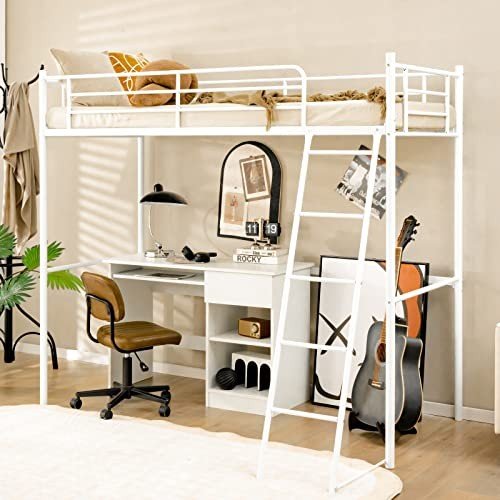
Lofted Beds: Similar to conventional bunk beds however without any lower bed. Rather, the space below can be used for a desk, play area, or additional storage.
Triple Bunk Beds: For households with a larger number of kids or frequent pajama parties, triple bunk beds provide three sleeping areas in a space-efficient style.
Futon Bunk Beds: These designs combine bunk beds and futon sofas. The bottom section converts into a different seating area, improving functionality.
Convertible Bunk Beds: These beds can be separated into 2 private beds, making them flexible as kids's requirements change over time.
Table 1: Comparison of Bunk Bed Types
| Type | Description | Space Efficiency | Additional Features |
|---|---|---|---|
| Conventional Bunk Bed | Two beds stacked vertically | High | Simplest design |
| L-Shaped Bunk Bed | One vertical and one horizontal bed | Moderate | Play or storage space |
| Lofted Bed | Raised bed with open space below | High | Work/play location |
| Triple Bunk Bed | Three stacked beds | Extremely High | Accommodates more users |
| Futon bunk beds sale Bed | Bunk bed with a convertible futon | High | Multi-functional |
| Convertible Bunk Bed | Can be split into two separate beds | Moderate | Versatility & durability |
Security Features to Consider
Security is vital when buying a bunk bed. Below are crucial security features to search for:
Guardrails: Adequate guardrails should be present on both sides of the upper bunk to avoid falls. They ought to be at least 5 inches greater than the mattress.
Ladder Design: Look for sturdy, broad ladders with slip-resistant rungs. Make sure that the angle is not too steep for simple access.
Stability: Ensure the bed is built with strong materials, such as strong wood or sturdy metal. The bed ought to not wobble when in usage.
Weight Limit: Check the weight capacity of the bunk bed to guarantee it can accommodate the desired users safely.
Product Safety: If possible, choose beds made from non-toxic materials or those meeting security standards for children's furnishings.
Table 2: Essential Safety Features
| Function | Description | Significance |
|---|---|---|
| Guardrails | Sides of upper bed to avoid falls | Vital for kid security |
| Ladder Design | Solid, slip-resistant rungs | Aids safe and simple access |
| Stability | Build quality to prevent wobbling | Guarantees safety and longevity |
| Weight Limit | Optimum weight capability | Avoids accidents |
| Product Safety | Non-toxic, safe products | Safeguards kids's health |
Upkeep Tips for Bunk Beds
To extend the life of your bunk bed and ensure ongoing security, consider the following maintenance pointers:
Regular Inspections: Periodically examine the structure for loose screws, bolts, or any signs of wear. Tighten fasteners as needed.
Tidy Periodically: Dust and tidy the surface areas frequently. Usage proper cleaners that won't damage the surface.
Examine Weight Limits: Be mindful of weight limitations, particularly with older kids or adults who may want to utilize the upper bunk.
Avoid Climbing on Guardrails: Educate children not to use guardrails for climbing up or playing to decrease the risk of accidents.
Frequently Asked Questions (FAQs)
Q1: What is the age limitation for children to safely use bunk beds?A: While it varies by the maker, lots of recommend that children under six ought to not sleep in the upper bunk due to safety issues.
Q2: How can parents discourage unsafe climbing?A: Setting clear rules about bunk bed usage and supervising kids can help. Additionally, using a bed tent can prevent climbing while creating a fun sleep environment.
Q3: What should I think about when embellishing a space with bunk beds?A: Ensure there is enough space around the bunk bed for safe motion, and utilize the design to produce customized spaces for each kid.
Q4: Is a lofted bed appropriate for older children?A: Yes, lofted beds can be suitable for older kids as long as they fulfill security requirements and the child is responsible enough to use them securely.
Bunk beds serve a practical function while including an element of fun to a child's bed room. As sales of bunk beds continue to increase, cautious consideration of types, security functions, and maintenance practices is important for parents and caretakers. By understanding these essential factors, families can find the perfect bunk bed for their home, ensuring both functionality and safety for years to come. Whether it's for siblings sharing a room or developing a comfortable sleepover space, a well-chosen bunk bed can provide pleasure and functionality, making it a deserving investment.