
When it comes to achieving the perfect ambiance in your kitchen or workspace, under cabinet lighting is a popular and practical choice. But while the focus is often on brightness, color temperature, and energy efficiency, one often-overlooked component plays a vital role in both functionality and aesthetics: the plastic cover for under cabinet lighting.
In this article, we’ll explore what these covers are, why they matter, how to choose the right one, and tips for installation and maintenance. Whether you’re upgrading your kitchen or doing a complete renovation, understanding the role of a plastic lighting cover can help you create a cleaner, safer, and more polished final result.
What Is a Plastic Cover for Under Cabinet Lighting?
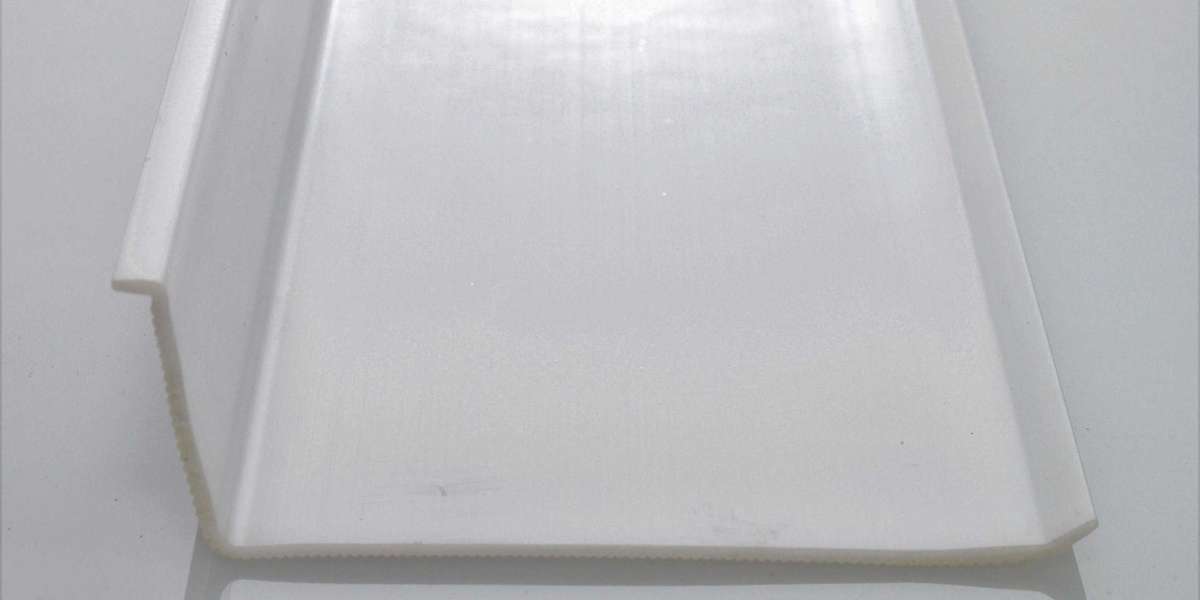
A plastic cover for under cabinet lighting is a protective and aesthetic shield that fits over the light source—usually LED strips or puck lights—installed under kitchen cabinets. These covers are often made from materials like polycarbonate or acrylic and come in various finishes including clear, frosted, and diffused.
Their primary function is to:
Diffuse harsh light, reducing glare and hotspots.
Protect the lighting fixture from dust, grease, and moisture.
Improve visual appeal, giving a finished, professional look.
Increase safety by minimizing direct contact with electrical components.
Why Install a Plastic Cover for Under Cabinet Lighting?
1. Enhanced Light Diffusion
LED strips can be bright and sometimes harsh on the eyes. Without a diffuser or cover, you might see each individual LED dot, which can be visually distracting. A plastic cover softens the light, spreading it evenly across your countertop for better task lighting and ambiance.
2. Protection from Dirt and Moisture
Kitchens are notorious for airborne grease and moisture. Over time, these particles can settle on exposed lights, leading to reduced brightness and even electrical hazards. A plastic cover acts as a barrier, helping your lighting system remain clean and functional longer.
3. Aesthetic Finish
Exposed LED strips or bare bulbs can look unfinished. A plastic cover hides wires, mounting hardware, and the fixture itself, giving your cabinets a seamless, modern appearance.
4. Safety Compliance
If your lighting setup is close to water sources or heat (like stovetops), having a plastic barrier can help meet certain residential safety standards and reduce the risk of accidental contact or short circuits.
Types of Plastic Covers Available
There isn’t a one-size-fits-all solution, so it helps to understand your options. The most common types of plastic covers for under cabinet lighting include:
Clear Covers: Allow maximum light output while still providing a layer of protection. Ideal for workspaces needing bright illumination.
Frosted Covers: Soften the light and hide the individual LEDs for a cleaner look. Great for kitchens where aesthetics and comfort matter.
Diffuser Lenses: These are designed to evenly distribute light and eliminate shadow lines. They’re often used in high-end installations where visual consistency is a priority.
UV-Resistant Covers: Help prevent yellowing and cracking over time, especially important in sunny environments.
Choosing the Right Plastic Cover
Here are a few tips to help you pick the best plastic cover for under cabinet lighting:
Check Compatibility: Make sure the cover fits your existing lighting profile, especially if you're retrofitting an older setup.
Match the Finish to Your Style: Frosted and diffused covers work best in minimalist or modern kitchens, while clear covers are better for task-heavy spaces like workshops.
Consider Material Strength: If the area is exposed to heat or sunlight, go for a high-impact, UV-resistant plastic like polycarbonate.
Ease of Cleaning: Choose a cover that’s easy to remove and clean to maintain hygiene and performance.
Installation Tips
Installing a plastic cover for your under cabinet lighting is usually a straightforward process, especially if you’re using LED channel systems that include tracks. Here’s a simple step-by-step guide:
Measure Your Fixture: Ensure the cover matches the length and profile of your lighting strip or fixture.
Clean the Surface: Wipe down the lighting and cabinet underside to remove dust and grease before installation.
Slide or Snap the Cover Into Place: Depending on the model, you’ll either slide the cover into a track or snap it on over the light.
Secure With Clips or Adhesive: If the cover doesn’t stay put on its own, use clear clips or a small amount of adhesive to keep it stable.
Test the Lighting: Before sealing everything up, turn on the lights to ensure even diffusion and proper functioning.
Maintenance and Cleaning
Keeping your plastic cover clean ensures maximum light output and long-term reliability. Follow these tips:
Regular Dusting: Use a microfiber cloth to wipe down the surface weekly.
Deep Cleaning: Occasionally, remove the cover and wash it with warm, soapy water. Avoid harsh chemicals that may degrade the plastic.
Check for Discoloration: If the cover becomes yellowed or cracked, it’s time for a replacement.
Where Else Can You Use Plastic Lighting Covers?
While under cabinet lighting is the most popular application, plastic covers are useful in various other spaces:
Closets and Pantries
Garage or Workshop Lighting
Bookshelf Illumination
Bathroom Mirror Lights
In any location where LED strips are exposed, a plastic cover can elevate the look, improve safety, and prolong the life of the installation.
A plastic cover for under cabinet lighting may seem like a small detail, but it has a significant impact on your lighting system’s performance, durability, and appearance. Whether you’re a DIY renovator or a professional installer, investing in the right cover can save you time, enhance your space, and provide long-lasting results.
When designing your kitchen or workspace lighting, don’t forget this crucial finishing touch. The right plastic cover can mean the difference between harsh glare and soft, inviting glow—between exposed wires and a sleek, integrated look.